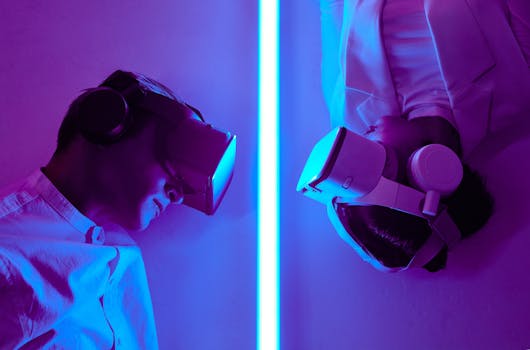
Is it just another fleeting digital fad, or is the augmented reality ad poised to fundamentally alter how brands connect with consumers? We’ve all likely encountered those playful AR filters on social media, transforming our faces into fantastical creatures or placing virtual furniture in our living rooms. But the true potential of augmented reality advertising extends far beyond superficial novelty. It’s a frontier ripe for exploration, and frankly, one that often leaves me pondering its deeper implications.
We’re stepping beyond simply seeing an advertisement to experiencing it. This shift from passive consumption to active participation is where the real intrigue lies. But how do we move past the initial wow factor and unlock the genuine, lasting value of augmented reality ad campaigns?
Unpacking the ‘Augmented’ Experience
At its core, an augmented reality ad overlays digital information – images, sounds, text, or interactive elements – onto our real-world environment, typically viewed through a smartphone or tablet screen. This isn’t virtual reality, which completely immerses us in a digital world. Instead, AR enhances our existing reality. Think of it as a digital layer seamlessly blended with what’s already there.
This capability opens up a fascinating spectrum of possibilities for marketers. Imagine trying on clothes virtually before you buy, visualizing how a new sofa would look in your home without leaving your couch, or interacting with a product in a way that simply isn’t possible with traditional static ads. It’s about bringing products and brand stories to life in an immediate, tangible way.
Why Brands Are Leaning In: The Engagement Equation
The appeal for brands is multifaceted, but the primary driver is undoubtedly the depth of engagement it can foster. Unlike a banner ad that can be easily ignored or skipped, an AR experience often demands a user’s active participation. This leads to:
Increased Dwell Time: Users spend longer interacting with AR ads because the experience is inherently more captivating.
Enhanced Brand Recall: The multisensory and interactive nature of AR creates stronger memory associations.
Higher Conversion Rates: When consumers can virtually “try before they buy,” their confidence in making a purchase increases significantly. I’ve often found that this reduction in purchase anxiety is a huge, often underestimated, benefit.
Valuable User Data: Interaction with AR campaigns can provide rich insights into consumer preferences and behaviors.
Consider the automotive industry, for instance. A car manufacturer can create an AR ad allowing potential buyers to explore a vehicle’s interior, customize its color, and even hear its engine roar – all from their own driveway. That’s a far cry from scrolling through static images.
Navigating the Creative Landscape: What Makes an AR Ad Work?
It’s one thing to acknowledge the potential, and quite another to harness it effectively. Simply slapping a 3D model onto a screen won’t cut it. For an augmented reality ad to truly resonate, it needs to be thoughtfully designed and contextually relevant.
Storytelling Power: AR excels at narrative. Brands can use it to tell compelling stories about their origins, their values, or the benefits of their products in an immersive way.
Utility First: The most successful AR campaigns offer a clear benefit to the user. Is it helping them solve a problem, make a decision, or simply have fun in a meaningful way?
Seamless Integration: The AR experience should feel like a natural extension of the user’s environment, not an intrusive interruption. This often means leveraging existing platforms like social media apps or dedicated AR viewers.
Interactive Delight: The “gameification” of advertising, where users are encouraged to explore, discover, or achieve something within the AR experience, can be incredibly powerful.
I’ve seen campaigns that felt like they were just showing off their AR capabilities, and others that genuinely enriched my understanding or interaction with a product. The difference is palpable, and it all comes down to user-centric design.
The Challenges and the Road Ahead
Despite the exciting prospects, the widespread adoption of augmented reality ad strategies isn’t without its hurdles.
Technical Barriers: Developing high-quality AR experiences can be complex and costly, requiring specialized skills and tools.
User Adoption & Accessibility: While smartphone penetration is high, not all users are equally comfortable or familiar with AR technology. Making these experiences intuitive is paramount.
Measurement & ROI: Quantifying the exact return on investment for AR campaigns can still be a challenge, though analytics are rapidly improving.
Content Fatigue: As AR becomes more prevalent, there’s a risk of users becoming desensitized if campaigns lack originality and genuine value.
However, the trajectory is clear. With advancements in AR technology, more accessible development platforms, and a growing consumer appetite for interactive experiences, these challenges are being addressed. We’re likely to see AR move beyond standalone activations to become a more integrated part of the overall marketing mix.
Future Gazing: What’s Next for AR Ads?
The evolution of augmented reality ad is still very much in its nascent stages. We’re only scratching the surface of what’s possible. As AR glasses become more commonplace, the opportunities for seamless, persistent digital overlays will explode. Imagine walking down a street and seeing personalized product information or interactive billboards that respond to your presence.
Furthermore, the integration of AI will likely make AR experiences more dynamic and personalized, adapting in real-time to individual user needs and preferences. This move towards hyper-personalization, powered by AR, could redefine customer relationships.
Wrapping Up
The augmented reality ad is far more than a passing trend; it’s a fundamental shift in how brands can engage with their audiences. While the initial novelty factor is undeniable, its true power lies in its ability to create meaningful, memorable, and interactive experiences that drive genuine connection and, ultimately, conversion.
As you consider incorporating AR into your marketing efforts, remember to prioritize user value and storytelling over mere technological spectacle. What problem can you solve? What experience can you create that genuinely benefits the consumer? That’s where the magic truly happens.